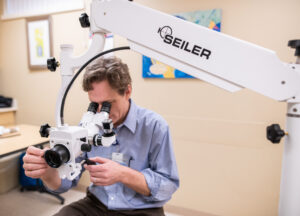
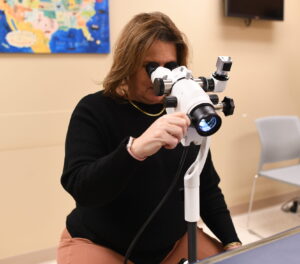
Colposcopy and high-resolution anoscopy (HRA) are both magnified visual examination techniques used to evaluate abnormal epithelial tissue. While they share similar technology and clinical goals—early detection of precancerous and cancerous changes—they are used in different anatomical areas and patient populations.
Understanding the differences helps providers choose the appropriate procedure and ensures optimal patient care.
What Is Colposcopy?
Colposcopy is a diagnostic procedure used to closely examine the cervix, vagina, and vulva for abnormal cells, most commonly after an abnormal Pap smear or positive HPV test.
The procedure uses a specialized microscope called a colposcope, such as the Seiler 985 Colposcope, which provides magnified, illuminated visualization of cervical tissue.
When Is Colposcopy Performed?
Abnormal Pap smear results
Positive high-risk HPV testing
Visible cervical lesions
Post-treatment follow-up for cervical dysplasia
What Does It Detect?
Cervical intraepithelial neoplasia (CIN)
Vaginal or vulvar dysplasia
Early cervical cancer
During the procedure, acetic acid (vinegar solution) is applied to highlight abnormal cells. Biopsies may be taken for pathology review.
High-resolution anoscopy is a similar magnified examination technique, but it focuses on the anal canal and perianal region. It is primarily used to identify anal intraepithelial neoplasia (AIN), which can be a precursor to anal cancer.
HRA is particularly important for high-risk populations, including:
Patients with HPV infection
Immunocompromised individuals
Patients with a history of lower genital tract dysplasia
Like colposcopy, HRA uses magnification, illumination, and acetic acid to identify abnormal tissue patterns.
Many modern colposcope platforms are adaptable for this purpose. For example, Seiler Instrument Colposcopes can be configured for use in high-resolution anoscopy procedures. With proper positioning and clinical accessories, Seiler systems provide the magnification clarity and LED illumination necessary for both cervical and anal dysplasia evaluation. This flexibility allows practices to expand services without investing in an entirely separate optical platform.
Colorectal surgeon, infectious disease specialist, or trained provider
Patient Positioning
Lithotomy
Left lateral or prone
Similarities Between the Procedures
Despite the anatomical differences, both procedures:
Use magnified optical visualization
Apply acetic acid to enhance abnormal tissue contrast
Allow targeted biopsies
Aim to detect precancerous changes early
Require proper training and clinical expertise
In many cases, the same optical technology platform can be used for both procedures with appropriate positioning and accessories.
Why Early Detection Matters
Both cervical and anal cancers are strongly associated with high-risk HPV strains. With proper screening and early identification of dysplasia, providers can intervene before invasive cancer develops.
The growing awareness of anal cancer screening—particularly in high-risk populations—has increased the importance of HRA in specialty practices, much like colposcopy has long been a cornerstone of women’s health.
Choosing the Right Visualization Equipment
Whether performing colposcopy or high-resolution anoscopy, providers need:
Clear, high-magnification optics
Bright, consistent LED illumination
Ergonomic positioning
Image capture capabilities for documentation
Modern systems are designed to support both procedures while maximizing comfort for the provider and patient.
The Seiler Difference
Colposcopy and high-resolution anoscopy share a common goal: early detection of precancerous changes. The main difference lies in the anatomical focus—cervical versus anal tissue—but both rely on precision optics, provider expertise, and patient-centered care.
As screening guidelines evolve and awareness grows, both procedures will continue to play critical roles in preventive medicine.
Seiler offers a full line of Colposcopes and Anascopes to fit any clinical need. Contact Seiler Medical today to learn more!